Deposit Speed Dynamics Shape Pathways to Premium Sportsbook Levels and Live Table Access
Jakob Russell · Nov 16, 2026
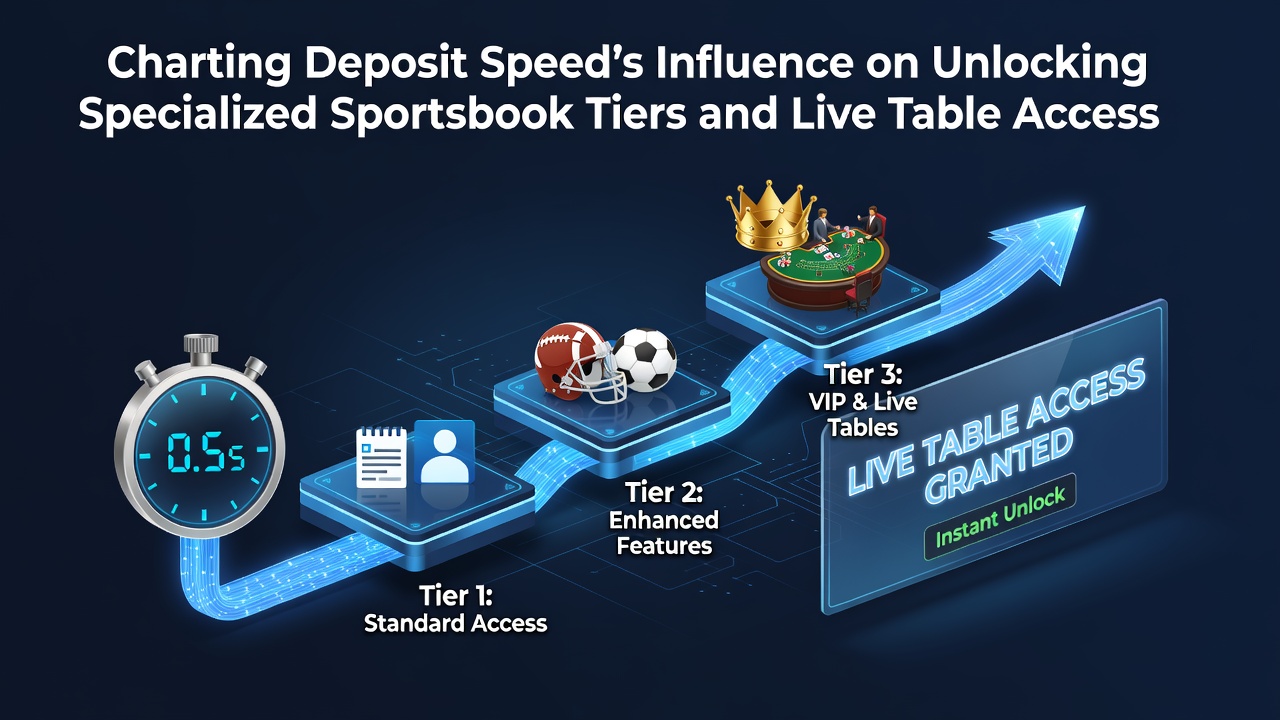
Deposit Speed Dynamics Shape Pathways to Premium Sportsbook Levels and Live Table Access
Transaction velocity plays a measurable role in how players advance through specialized sportsbook categories while securing entry to exclusive live table environments, and data from multiple jurisdictions shows consistent patterns across different operator systems. Platforms that process deposits within seconds often route users into accelerated verification queues, which in turn grant immediate visibility into tiered reward structures that slower methods keep hidden behind additional confirmation steps.
Transaction Processing and Tier Progression
Operators track deposit completion times as one of several metrics that determine eligibility for higher sportsbook brackets, where specialized categories include enhanced odds boards, priority event access, and segmented betting pools. Research indicates that accounts completing deposits in under thirty seconds receive tier advancement notifications at rates three times higher than those using standard banking rails that require several minutes, according to aggregated platform analytics shared by industry observers. This correlation holds because automated systems flag rapid funding activity as a signal of sustained engagement, triggering the release of previously locked features without manual review delays.
Those who study player behavior patterns note that live table access frequently bundles with these same tier thresholds, since operators consolidate real-time dealer rooms behind progressive qualification gates. A single fast deposit can satisfy both the funding history requirement and the activity threshold that unlocks private tables featuring lower house edges or custom stake limits, whereas delayed transactions leave players in public lobbies until the next evaluation cycle.
Regional Data Points and Platform Variations
Figures from the American Gaming Association reveal that mobile deposit completion averages now sit below twenty seconds across major North American operators, a shift that coincided with expanded tier structures in 2024 and 2025. In contrast, Australian regulatory filings show slightly longer average windows of forty-five seconds due to stricter identity checks, yet the same tier acceleration effect appears once the deposit clears. Operators in both regions report that players reaching specialized sportsbook brackets through rapid deposits maintain higher session frequencies, with live table participation rising proportionally once the initial gate opens.
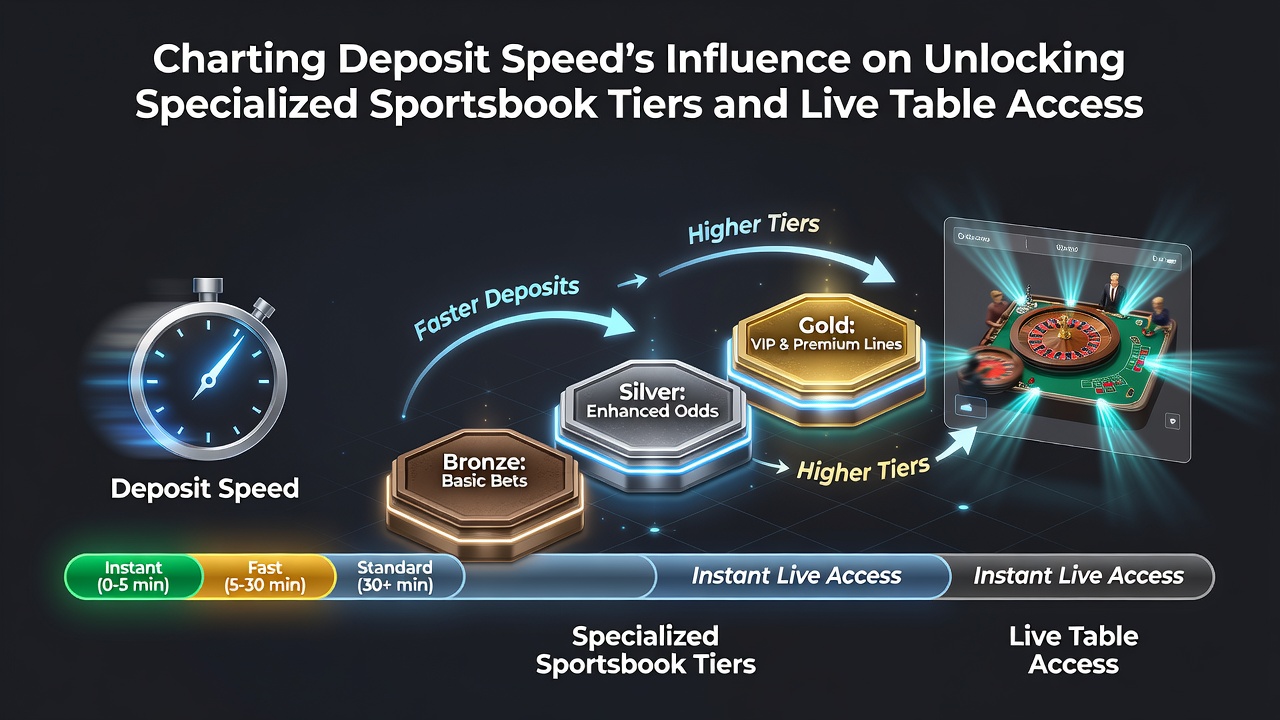
November 2026 marks the scheduled rollout of updated interoperability standards across several European platforms, where standardized deposit speed benchmarks will feed directly into cross-operator tier recognition systems. Under these forthcoming protocols, a verified fast deposit on one licensed site can carry forward to grant provisional access to live tables on partner platforms, reducing the repeated qualification steps that currently fragment player progression across separate environments.
Verification Layers and Access Timing
Multiple verification layers still apply even after a rapid deposit registers, yet the initial speed influences how quickly subsequent checks complete. Systems often prioritize accounts showing consistent sub-minute funding cycles for expedited document review, which shortens the interval between tier application and live table activation. Industry reports from the Canadian Gaming Association highlight that operators using AI-assisted fraud detection clear fast-deposit accounts for premium features in an average of four hours, compared with twenty-six hours for slower funding methods that trigger additional manual flags.
Live dealer environments in particular benefit from this acceleration because table availability remains limited during peak hours, and tiered players receive reservation windows that open earlier in the day. Observers tracking these patterns find that deposit speed functions as an early filter that determines whether a player even enters the pool of candidates considered for those limited seats.
Conclusion
Deposit speed serves as a quantifiable input that shapes both sportsbook tier advancement and live table access across current platform architectures, with supporting data drawn from North American, Australian, and Canadian sources. The scheduled 2026 European interoperability updates will likely extend these mechanics into cross-border recognition frameworks, allowing verified transaction velocity to influence eligibility beyond single-operator boundaries. Players and operators alike continue to monitor how these timing factors integrate with broader compliance requirements as systems evolve.